ATTENTION: NORTH BRISBANE EV OWNERS
Not the cheapest EV charger installers...
Just the ones who do it by the Book 📕
Installing an EV Charger isn't like installing a power point, theres a lot to consider and cheap quotes = cheap products & labour. If price is the only important factor to you, we aren't the right fit for you, sorry. We have a reputation for doing things right the first time to a high standard, not being cheap.
Issues Avoided by Our Customers
Home Power disconnected by Energex due to unsafe installation or missed Energex applications.
Warranty claims rejected because installation specifications aren't followed.
Car charging issues caused by inexperienced Electricians charger recommendations
Charger fires and failures caused by cost cutting cable choices and circuit protection.
Home appliance failures caused by unfit for purpose switchboards being ignored by the installer.
⬇️Get an on-site quote for a properly installed EV charger ⬇️
No Email Required!
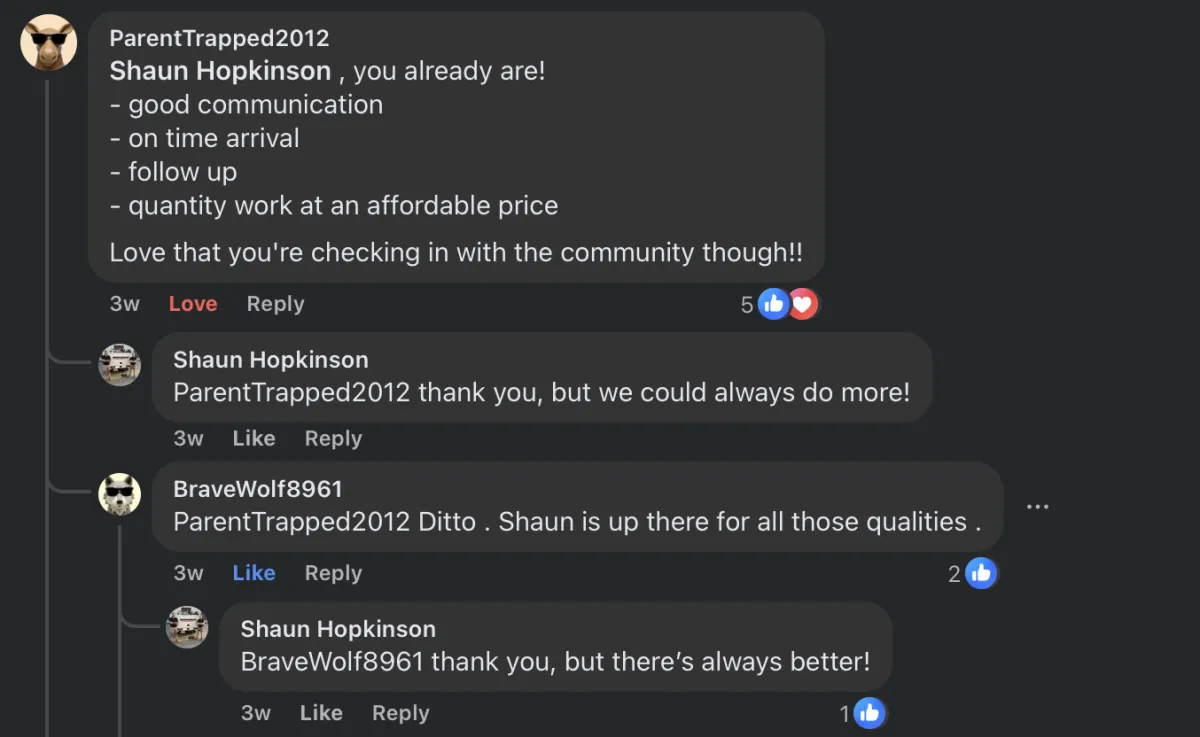
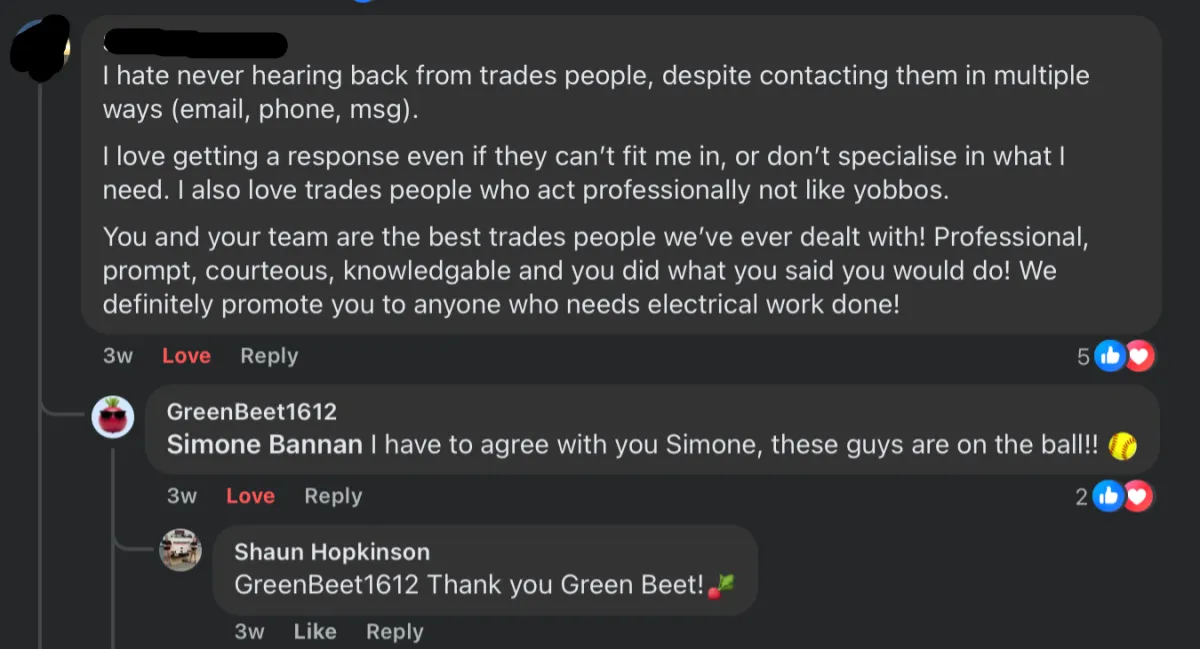
If Google Reviews aren't enough, here just 4 recent fb comments
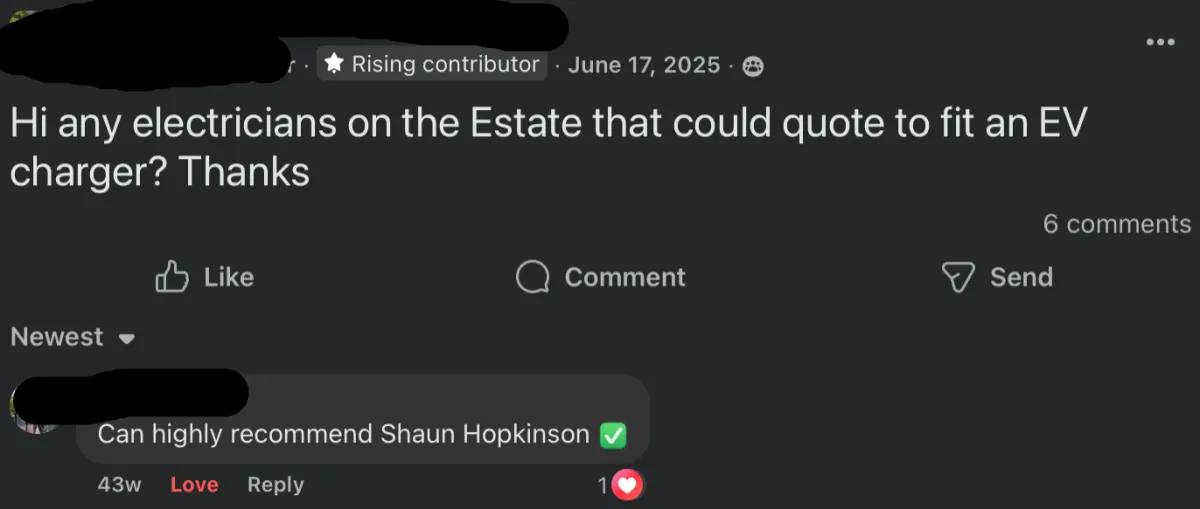
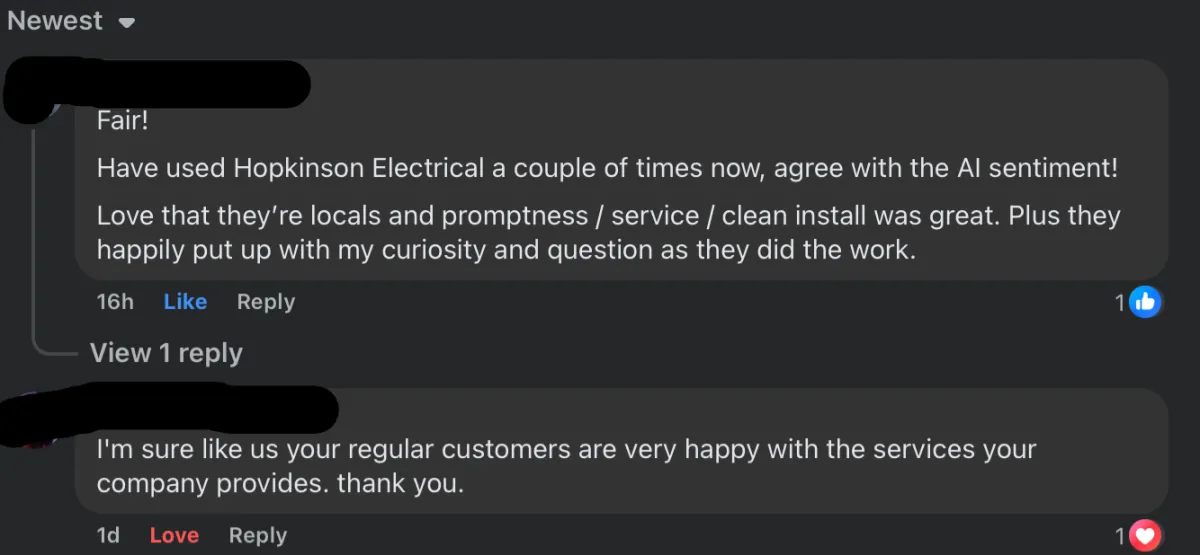
Don't Fall For The Installation price EV Charger Websites Promote
An EV Charger quote needs to be done on-site, any price you see online is just a starting price, It's the oldest trick in the book... Getting an onsite quote is the only full proof way to know exactly what you need and what it will cost.
How We Quote EV Charger Installs Properly ⬇
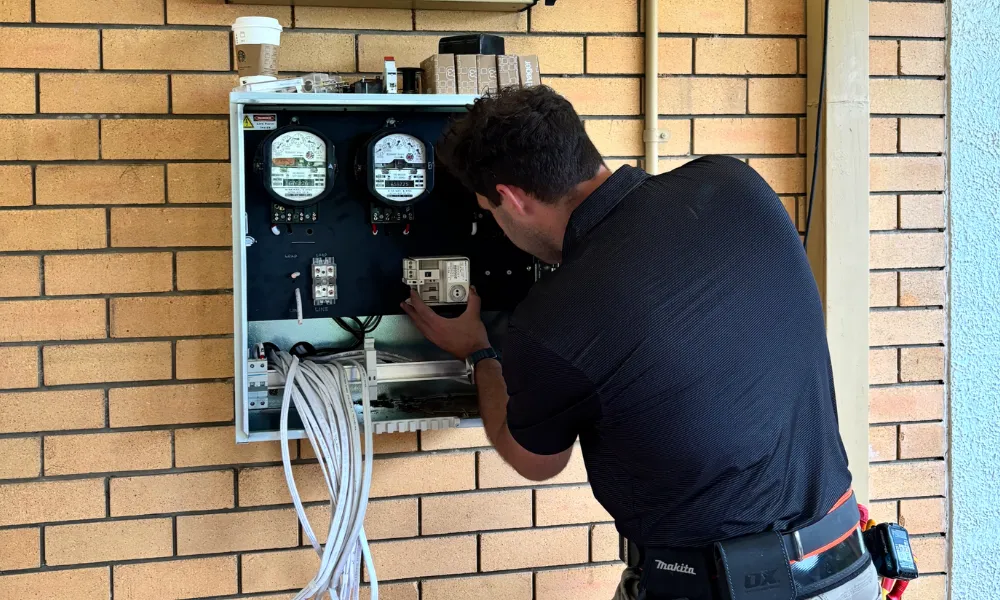
Mains Capacity
We determine the mains cable size coming from the street to the switchboard. This allows us to confirm whether the existing mains are safe for an EV charger and what maximum kW output they can support.
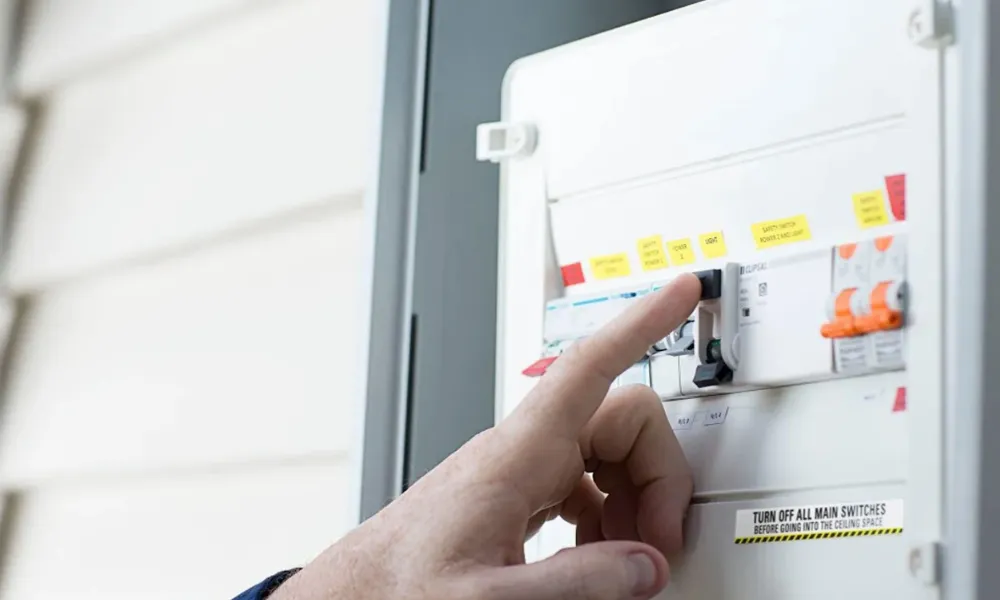
Switchboard Condition
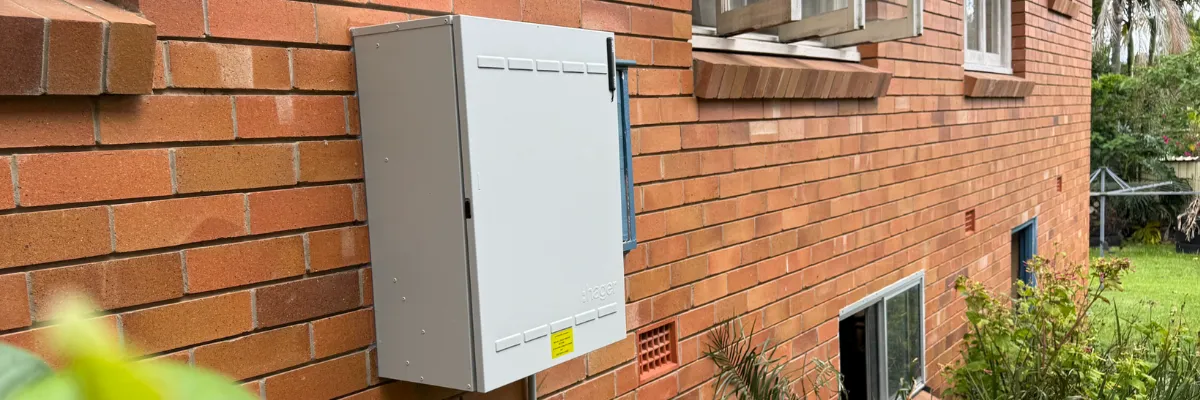
We take a look at the switchboard and ensure that it’s compliant with today’s Australian Standards, & the Energex QEMM. If required, we will quote to make the switchboard safe
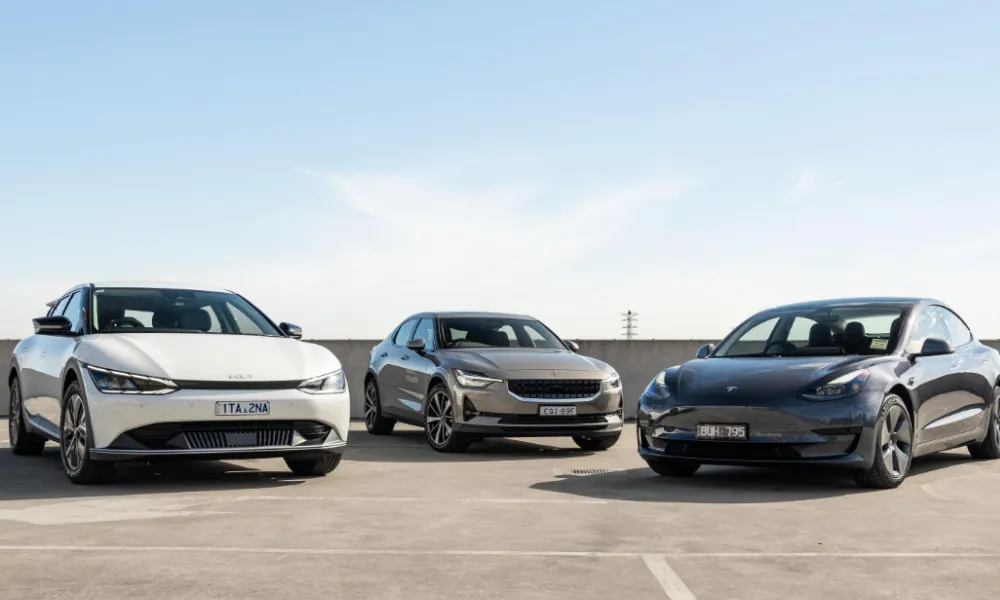
Electric Vehicle
We take a look at the EV you’ve purchased and work out which charger is the best for this model, bigger isn’t always better if your car is limited in what it can accept.
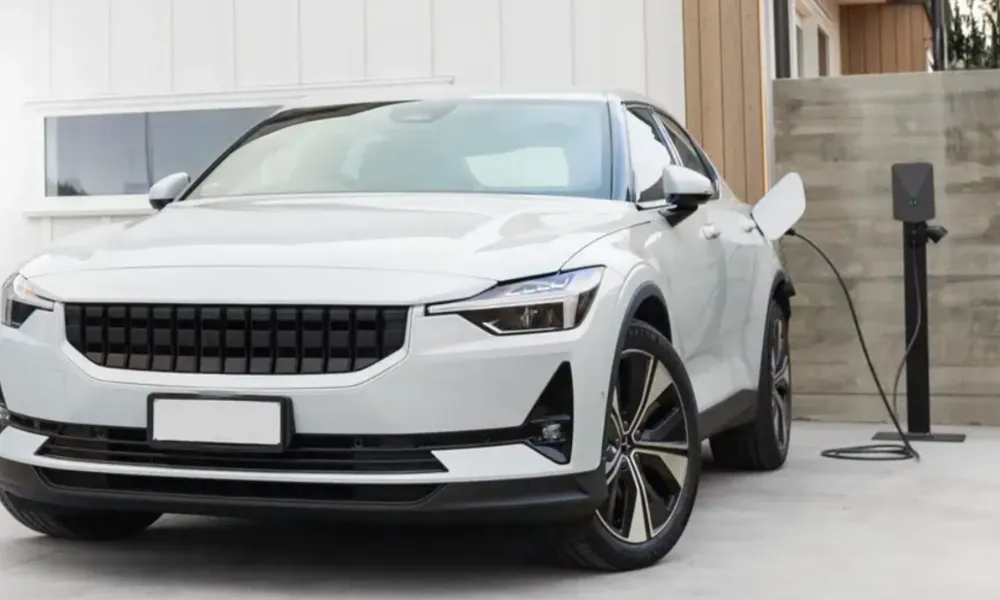
Plan For Charging
We work with you to figure out how you plan to charge the new car, and from there we can determine how the charger will affect the rest of the house, and what needs to be done to make your plan work.
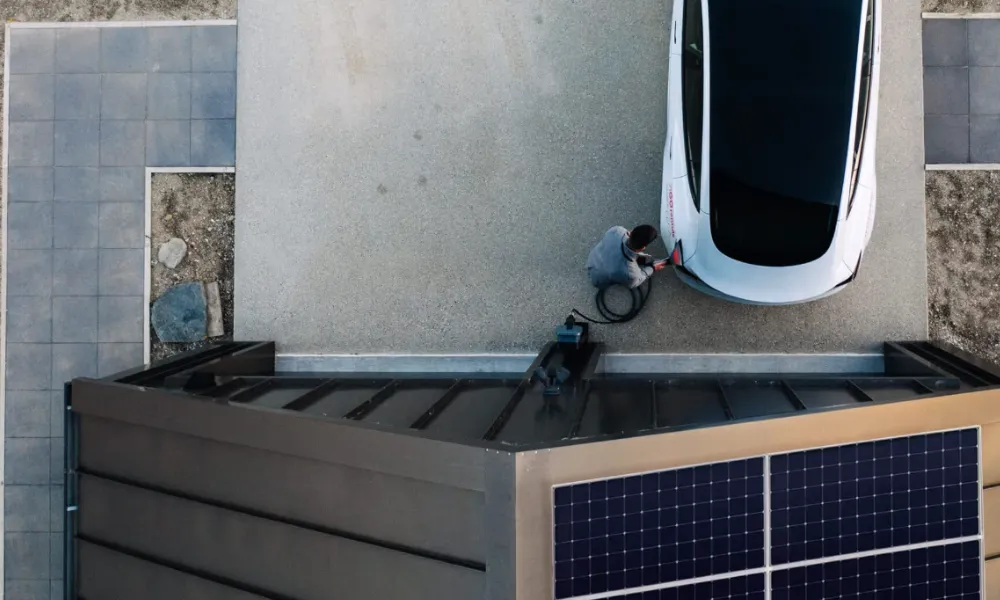
Solar System
We look at your solar output and how much your house currently uses, from here, you will know if you should go for a solar-smart charger or just a regular charger.
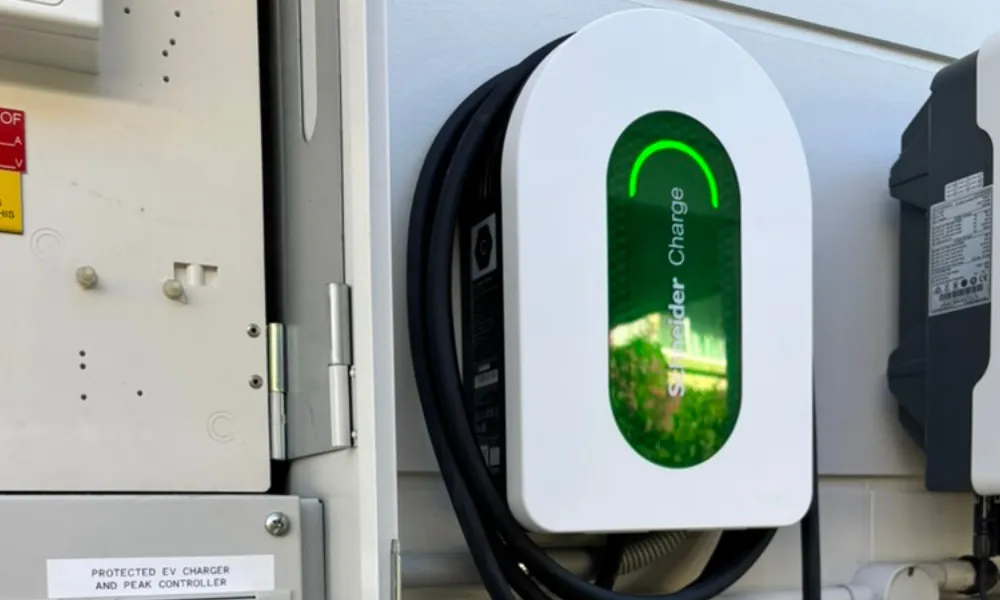
EV Charger
We will recommend a charger that suits your car, your home, and how you plan to charge. From here we provide a quote to make it all happen.
FAQ
Frequently Asked Questions
There are a lot of questions when it comes to EV chargers. Here are a few we get a lot.
What Brand EV Charger do you normally recommend?
For most installations, we supply EVNEX chargers.
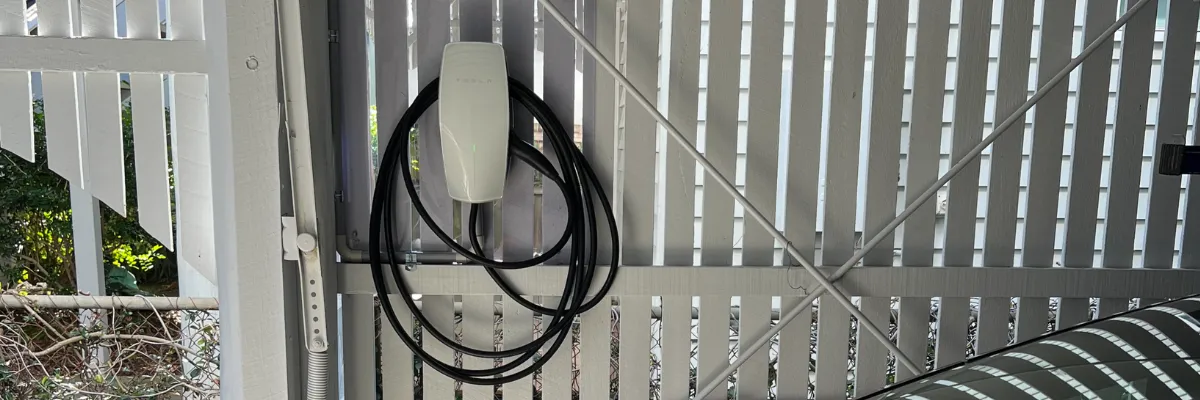
They’re made in New Zealand and consistently outperform a lot of other options on the market. The app is simple to use, support is easy to get hold of, and they come with the features most homeowners actually benefit from. Available in both 7kW and 22kW, they suit the majority of residential setups.
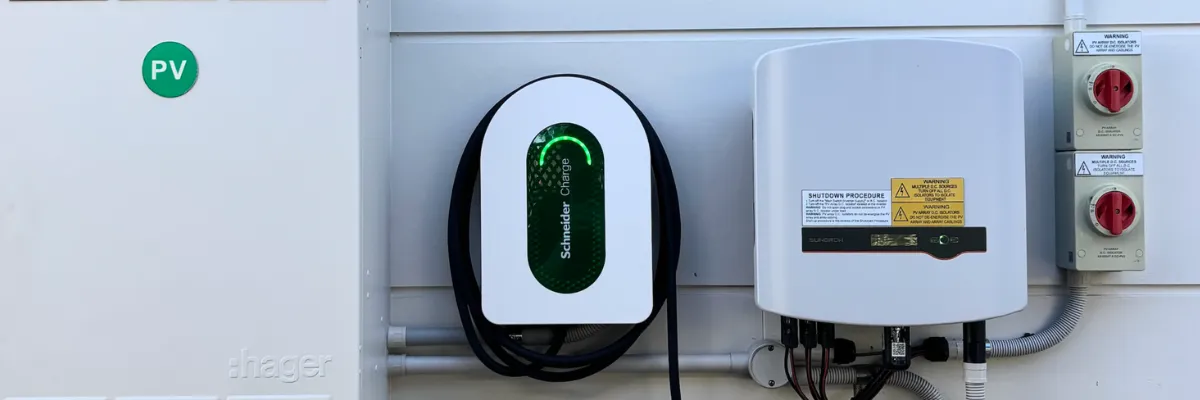
If you’re after something more straightforward without app control, we also recommend the Schneider EV Charge. It’s a reliable German unit that’s simple to use with plug-and-charge operation.
In terms of availability, EVNEX units typically take around 1-2 weeks if we don’t have stock on hand, while Schneider chargers are usually available straight away for faster installs.
Do I need a smart meter installed if I get an EV charger?
Not always. It depends on your power supply and the size of the charger.
If you have three-phase power, you can usually install an 11kW or 22kW charger without needing any additional network control.
If you have single-phase power and want a full 7kW charger, the installation will typically need to include a form of network load management. This allows the electricity network to reduce or temporarily interrupt charging during peak demand periods.
This doesn’t always mean a full smart meter upgrade, but it does involve additional setup to comply with Queensland connection rules.
We check all of this during quoting and handle the process for you.
How much does it cost to get an EV charger installed?
How much does it cost to install an EV charger?
Most of our EV charger installations range from $3,000 to $7,000+, depending on your home’s setup.
The final price comes down to a few key things:
The condition of your switchboard
Available capacity and mains size
Distance from the switchboard to the charger
Whether upgrades are required to safely handle the load
For straightforward installs where everything is already set up correctly, costs are at the lower end.
If your switchboard needs upgrading or your supply isn’t suitable for a charger, costs can increase, but this ensures the installation is safe, compliant, and built to last.
We supply and install both 7kW and 22kW chargers, and size everything properly based on your home and usage.
I want to use my solar to charge my EV, is that possible?
Yes, but it depends on how much excess solar your system produces during the day.
Your solar will always power your home first. Any leftover (excess) solar can then be used to charge your EV. If your system is producing more than your home is using, that surplus can go straight into the car.
The challenge is that solar output changes throughout the day, and many homes don’t consistently have enough excess to run a charger at full speed.
That’s where the EVNEX charger stands out. It has built-in solar tracking, so it can automatically adjust charging to use only your excess solar. Instead of pulling power from the grid, it ramps up and down to match what your system is generating.
That said, in many cases it’s still more cost-effective to charge overnight using off-peak electricity rates. Power is often cheaper at night, and you get a full, consistent charge without relying on weather or daytime usage.
If overnight tariffs change in the future as more EVs come online, using solar during the day will likely become a more attractive option.
We look at your solar system, usage, and charging habits to help you get the best setup for you

About us
Hey, I'm Shaun Hopkinson
I started Hopkinson Electrical a few years ago with the belief that providing a good service is enough to grow a meaningful business, and that has proven true. We are known for providing a consistently great service, and we hope to continue that with you.
EV Charger Enthusiasts
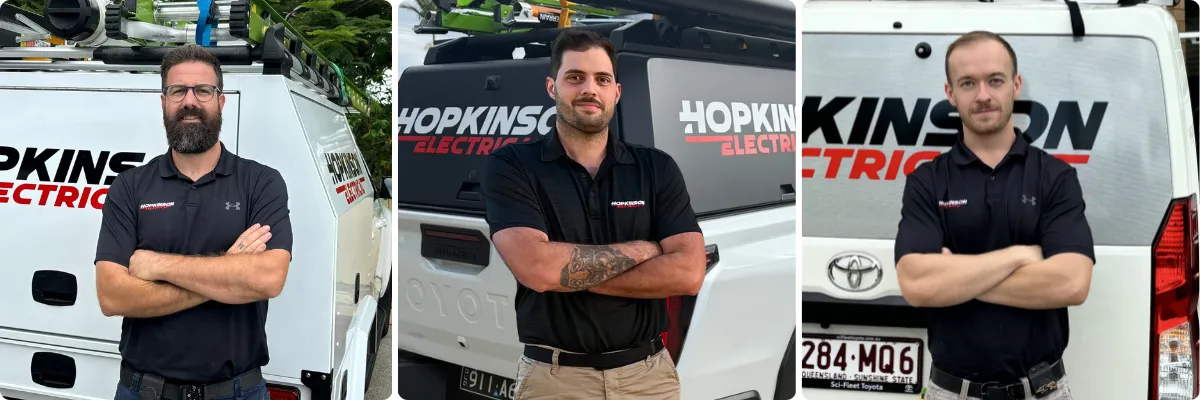
Accountable Tradies - My name's on the Van
20+ Years of experience as Electricians